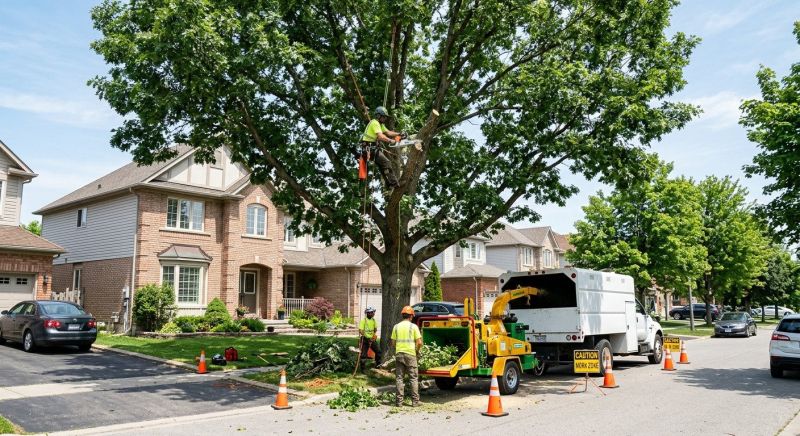
Tree Limbs Removal in San Jose, CA
Tree limbs removal services involve the careful trimming and removal of overgrown, damaged, or hazardous branches from trees on residential properties. This service is often requested for projects such as clearing away dead or broken limbs, reducing the weight of heavy branches that could pose a risk during storms, or shaping trees to improve their health and appearance. Property owners should consider the size and location of the limbs, especially if they are close to structures, power lines, or walkways, to determine the scope of the work needed.
Before requesting tree limbs removal, property owners typically want to understand the extent of the trimming required and any potential impacts on the tree’s health or appearance. It’s also helpful to consider whether the removal involves only specific limbs or more extensive pruning, and to identify any safety concerns related to falling branches. Clear communication about these details can help ensure the project meets safety standards and aesthetic preferences.
Many property owners in San Jose, CA look into Tree Limbs Removal for repairs, replacements, upgrades, and appearance-related improvements.
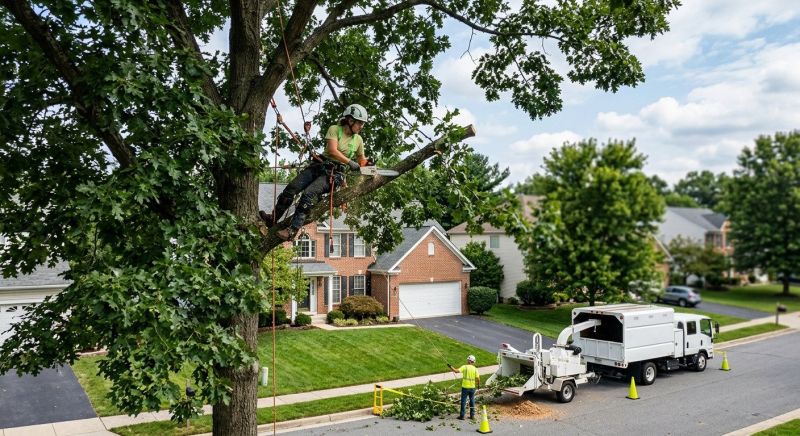
Safety And Property Protection
Removing hazardous tree limbs helps prevent damage to structures and reduces risks during storms.
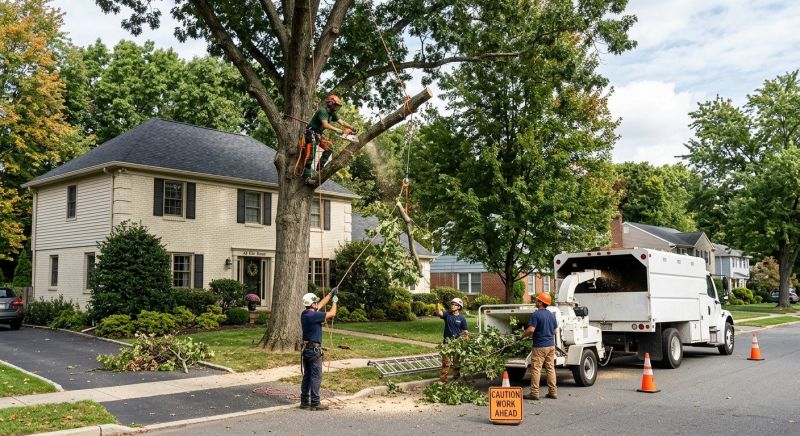
Tree Health And Maintenance
Selective limb removal promotes healthier trees and encourages proper growth in san jose's yard landscapes.
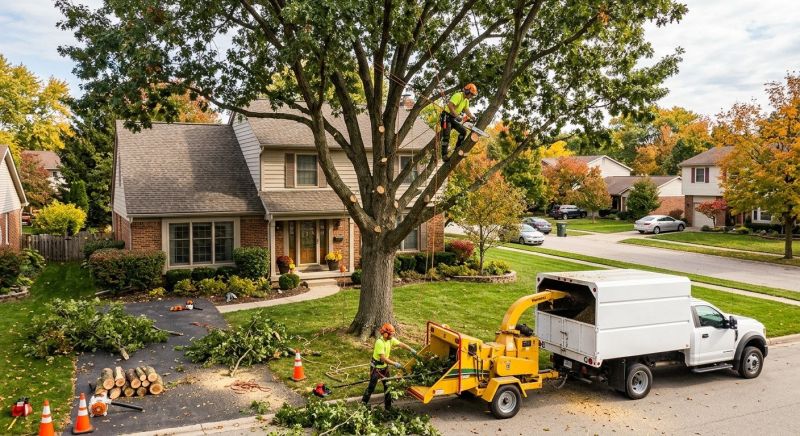
Aesthetic Improvement
Trimming overgrown or unsightly limbs enhances the appearance and curb appeal of residential properties.
Tree Limbs Removal in San Jose, CA
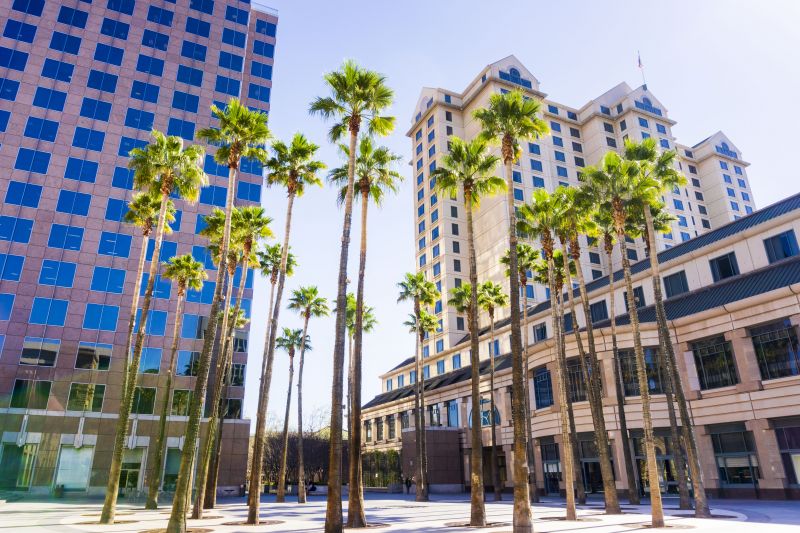
Tree limbs removal services involve the careful trimming and removal of overgrown, damaged, or hazardous branches from trees on residential properties. This service is often requested for projects such as clearing away dead or broken limbs, reducing the weight of heavy branches that could pose a risk during storms, or shaping trees to improve their health and appearance. Property owners should consider the size and location of the limbs, especially if they are close to structures, power lines, or walkways, to determine the scope of the work needed.
Before requesting tree limbs removal, property owners typically want to understand the extent of the trimming required and any potential impacts on the tree’s health or appearance. It’s also helpful to consider whether the removal involves only specific limbs or more extensive pruning, and to identify any safety concerns related to falling branches. Clear communication about these details can help ensure the project meets safety standards and aesthetic preferences.
Many property owners in San Jose, CA look into Tree Limbs Removal for repairs, replacements, upgrades, and appearance-related improvements.
Common Tree Limbs Removal Jobs
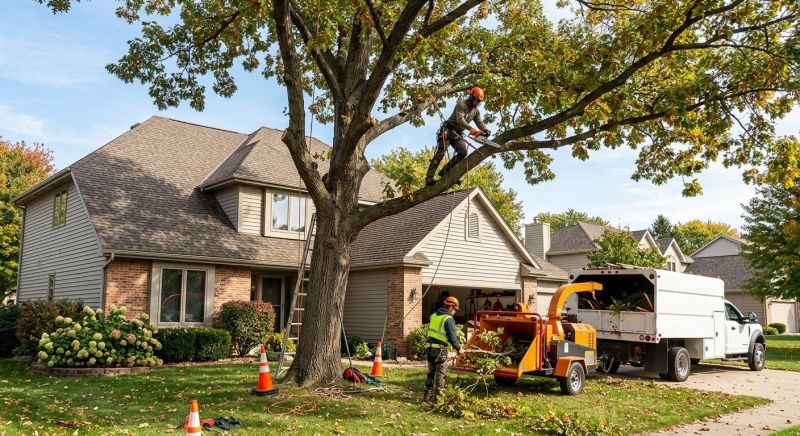
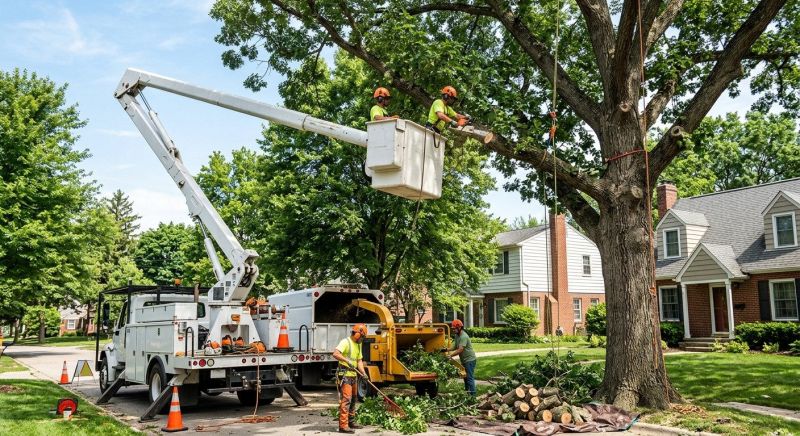
Tree limb removal - safely eliminates dead or hazardous branches to protect property.
Overhanging branch trimming - reduces interference with roofs, power lines, and walkways.
Storm damage cleanup - clears fallen or broken limbs after severe weather events.
Crown thinning - improves tree health and airflow by selectively removing excess branches.
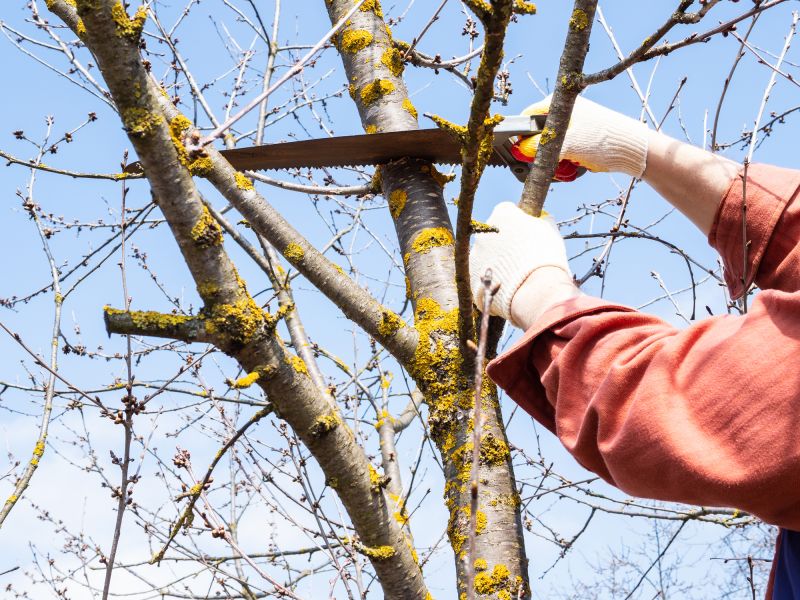
Selective limb pruning - shapes trees and encourages healthy growth while maintaining safety.
Emergency limb removal - addresses urgent hazards caused by unstable or broken limbs.
Tree Limbs Removal Questions
Why should tree limbs be removed? Removing overhanging or damaged limbs helps prevent property damage and reduces the risk of falling branches during storms.
When is the best time to remove tree limbs? Tree limbs can be removed anytime, but it is often best done during dormant seasons to minimize stress on the tree.
What types of tree limbs are typically removed? Dead, diseased, or broken limbs are usually targeted for removal to maintain tree health and safety.
How does limb removal benefit property owners? Proper limb removal can improve tree stability, enhance appearance, and prevent potential hazards around the property.
Request Tree Limbs Removal in San Jose, CA
Use the quote form on this page to share the basics of your project and request more information for the type of work you need.